


-1761147112036.png)


actuality
Did You Know the Creator of Wall Street’s Charging Bull Was From Vittoria?
On January 26, Arturo Di Modica would have turned 85. He leaves behind an extraordinary artistic legacy


Today, January 26, marks what would have been the 85th birthday of Arturo Di Modica, the Italian sculptor behind the iconic Charging Bull of Wall Street.
Deeply attached to Vittoria, his hometown in Sicily, Di Modica nurtured an ambitious vision: to transform the city into a hub of art and beauty, capable of generating new opportunities for growth, culture, and employment.
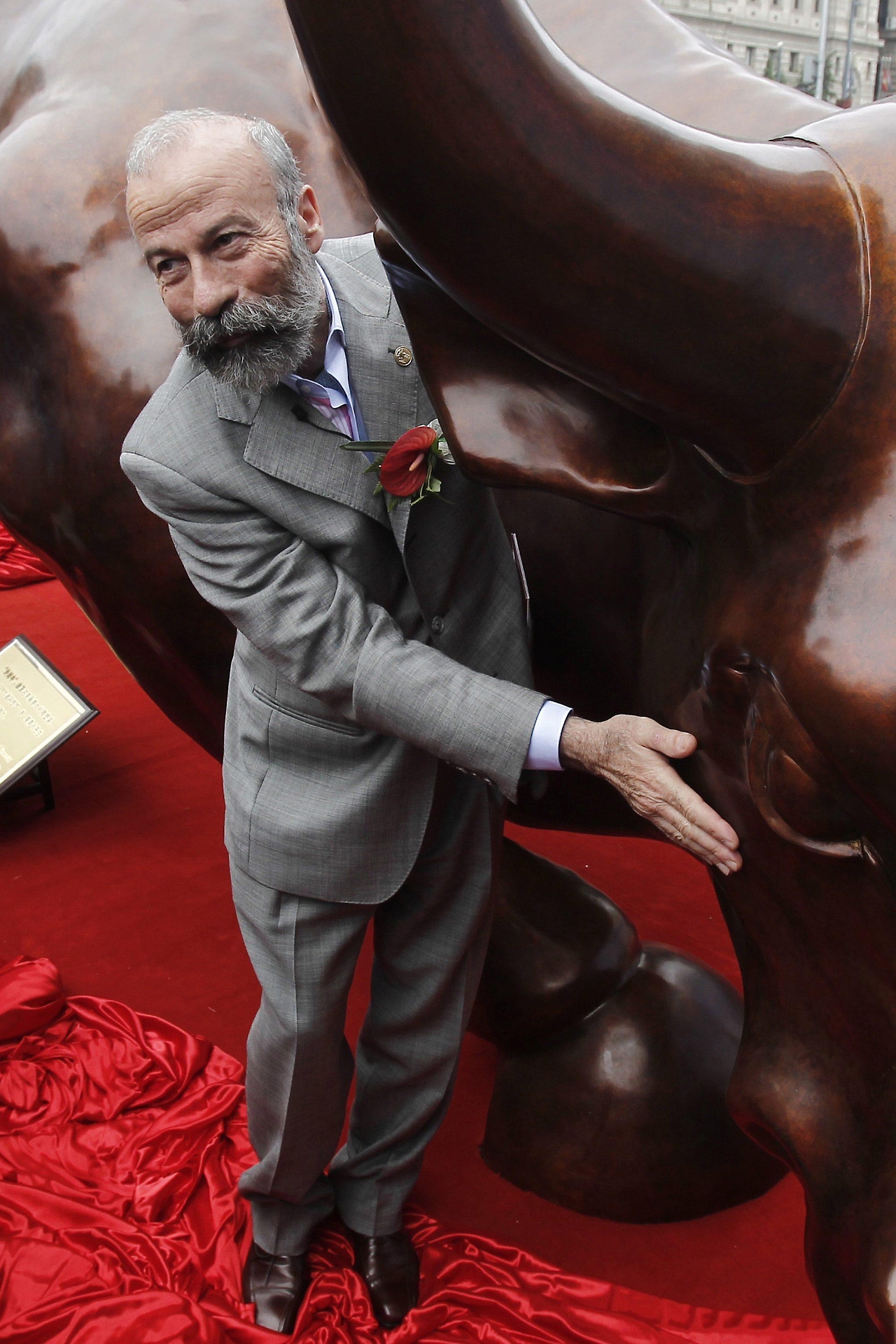
“When he passed away prematurely five years ago, on February 19,” recalls Piero Gurrieri, a local representative of Italy’s Five Star Movement, “we in Vittoria collectively took on a solemn commitment: to give wings and life to Arturo’s dream—and to do it together. I remind myself of that promise and that responsibility. It would be the best tribute we could offer the master.” Gurrieri then shares, especially for younger generations, a brief portrait he once wrote of the artist:
“In the bullfight, the bull is the hero of a tragedy: first driven mad by pain, then killed a long and agonizing death, wrote Ludwig Wittgenstein. Arturo Di Modica’s Charging Bull—the extraordinary work that has now stood for over 30 years—was created, by contrast, to live. Many tried to bring it down. The eternal fate of the bull. From blows with a metal banjo to a mayoral order to remove it. All in vain. Arturo’s Bull endured everything, even September 11—the day one world disappeared and another was born.
Created to embody strength—taurine strength—by an artist who, on the night of December 16, 1989, placed his creation in front of the New York Stock Exchange. He unloaded more than three tons of bronze with the fearless resolve of a genius who answers to nothing and no one, not even the police officers who stood frozen, stunned, as if sensing they were witnessing the irruption of Art into history. That bull, though inanimate, became an almost sacred image—one no one dared to resist.
‘I asked for nothing. I spent $350,000 to wish young people a better future,’ Arturo later explained. He then began work on the most ambitious project of his life, which he called Renaissance: a theater, two museums, a public square dedicated to agricultural workers, and two monumental 40-meter horses along the banks of the Ippari River, once navigated by the Greeks. A dream of Vittoria as a capital of art and culture—so that its young people might be guaranteed a future.”
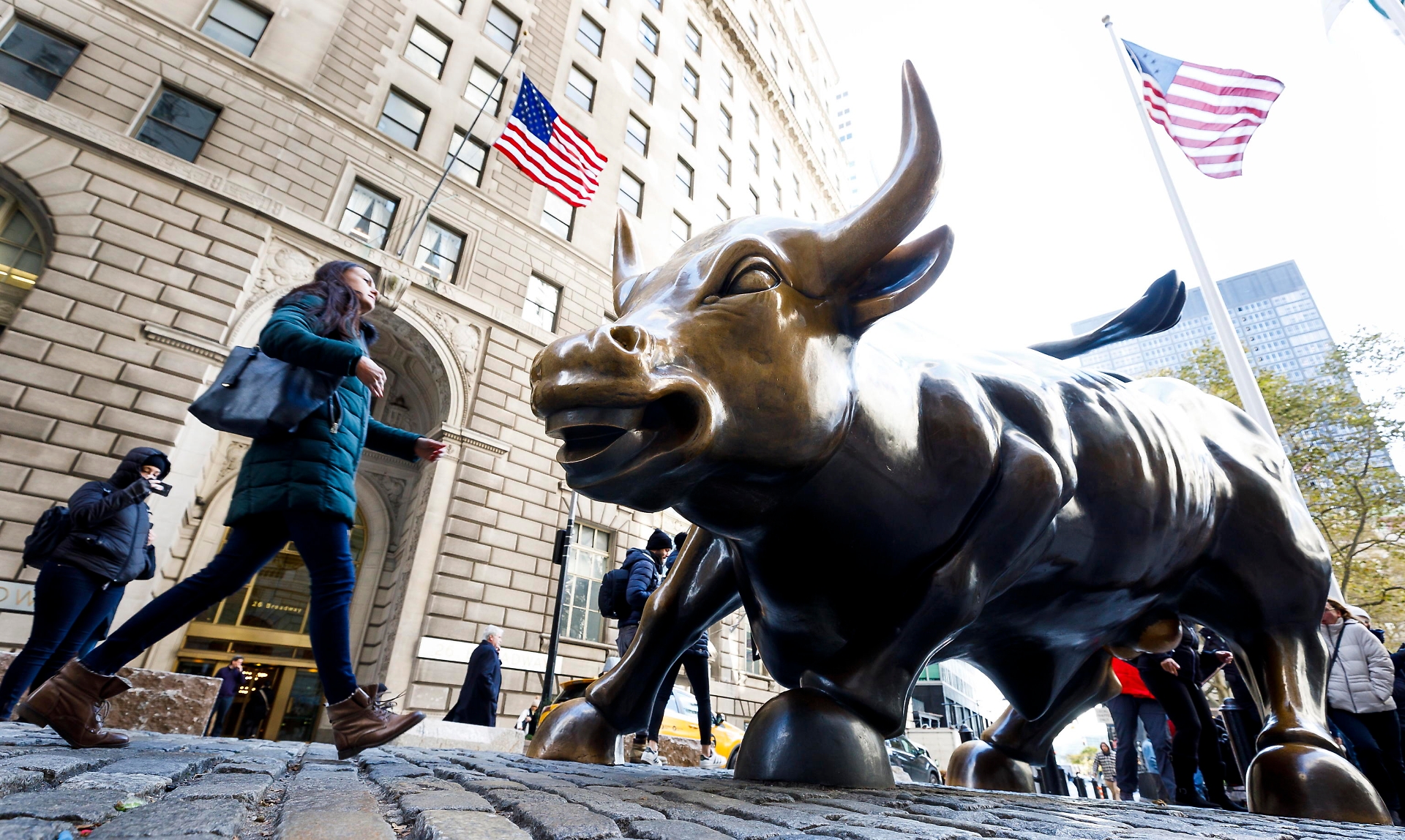
“Five years on,” Gurrieri adds, “many are asking whether the master’s dream still has wings—whether it can still be realized.”
In an era when public art is increasingly measured by visibility, symbolism, and economic impact, Di Modica’s legacy stands as a reminder that visionary creativity can transcend institutions, regulations, and even geography—leaving a lasting imprint on both global finance and the cultural aspirations of a small Sicilian city.